UV printing, also known as UV curing printing, is a digital printing process that uses ultraviolet (UV) light to cure or dry ink instantly. It offers several advantages over traditional printing methods, including high print quality, fast production speed, and the ability to print on a wide range of materials.
Here is an overview of the UV printing process:
UV printing offers several advantages:
UV printing is commonly used for signage, banners, labels, packaging, promotional items, interior decor, and other applications where high print quality, durability, and versatility are essential. It has gained popularity in the printing industry due to its efficiency, flexibility, and ability to meet various printing requirements.
Yes. UV cures instantly, so there are no volatile organic compounds (VOCs) from solvent evaporation. The process uses less energy and emits minimal odor compared to traditional solvent printing.
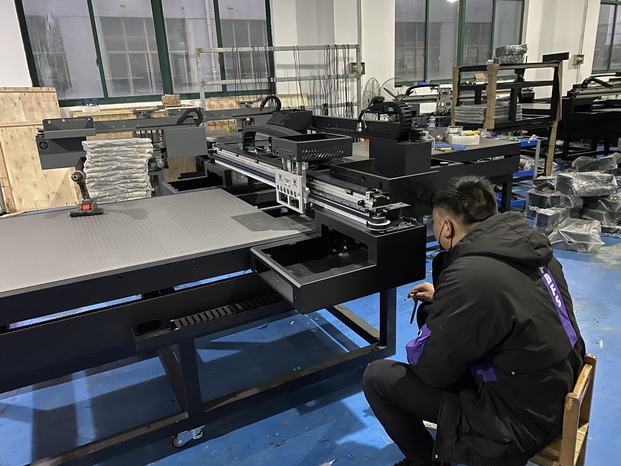
It depends on the equipment. Desktop UV printers cover items roughly up to 12″×24″, while industrial flatbeds handle sheets as large as 4′×8′ or beyond.
Ink cures immediately, so pieces can be handled or finished right off the printer. Total turnaround mainly depends on artwork prep, print volume, and any post-processing (cutting, coating, mounting).
Layering clear UV varnish or using multiple ink passes can build textures, tactile braille, or spot gloss finishes for premium results.
Use vector-based PDFs, AI, or EPS files for logos and text; high-resolution TIFF or PNG for photos. Always convert text to outlines and embed color profiles to ensure accurate output.
UV printing uses ultraviolet light to instantly cure specially formulated inks printed onto materials. This rapid curing keeps prints crisp and allows for vibrant colors on many surfaces.
UV printers handle rigid and flexible substrates such as acrylic, wood, metal, glass, PVC, ceramics, and certain plastics or coated papers. Compatibility depends on the printer model.
UV inks cure into a solid, scratch‑resistant layer with strong colorfastness. Indoor displays last years; outdoor pieces often need a protective laminate or clear coat for extended weather resistance.
Flatbed machines handle flat items. Cylindrical UV printers or rotary attachments are required for bottles, tumblers, and other round products.
Many UV printers include white ink channels, enabling underprints on dark or transparent media and special effects like spot white overlays.