DTF printing, also known as Direct-to-Film printing, is a digital printing technique used to create vibrant and detailed prints on textiles, primarily on garments like t-shirts, hoodies, and other fabric materials. DTF printing has gained popularity as an alternative to traditional methods like screen printing and direct-to-garment (DTG) printing.
Here is an overview of the DTF printing process:
- Design Preparation: The design is created or prepared digitally using graphic design software. The design can include text, images, and other elements.
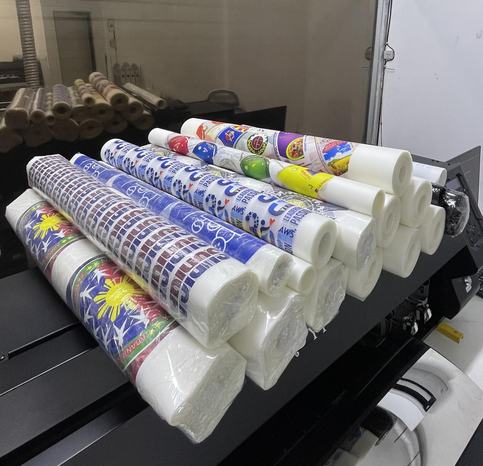
- Printing on Transfer Film: The design is printed onto a special heat transfer film using a DTF printer. DTF printers utilize specialized inks that are formulated for direct adhesion to the transfer film.
- Application of Powder: Once the design is printed on the transfer film, a powdered adhesive material is applied to the ink. The adhesive helps the ink adhere to the fabric during the heat transfer process.
- Heat Press: The transfer film with the printed design is placed on top of the fabric, and both are subjected to heat and pressure using a heat press machine. The heat causes the ink and adhesive to bond with the fabric, transferring the design from the film to the fabric.
- Peeling and Finishing: After the heat transfer process, the transfer film is peeled off, leaving the printed design on the fabric. The printed fabric may undergo additional curing or finishing processes, such as heat curing or washing, to ensure the durability of the print.
DTF printing offers several advantages:
- Vibrant and Detailed Prints: DTF printing allows for high-resolution prints with vibrant colors and fine details. It can reproduce complex designs, gradients, and photographic images accurately.
- Versatility: DTF printing can be applied to a wide range of fabrics, including cotton, polyester, blends, and even textured materials. It works well on both light and dark-colored garments.
- Cost-Effective: DTF printing is a cost-effective method for small to medium-sized print runs. It eliminates the need for expensive screens used in screen printing and reduces the complexity associated with DTG printing.
- Durability: DTF prints are generally durable and can withstand regular washing and wear. The ink and adhesive bond securely with the fabric, ensuring longevity.
- Print-on-Demand Capability: DTF printing allows for on-demand printing, meaning you can create prints as needed without the requirement of minimum order quantities.
It's important to note that DTF printing requires specialized equipment, including DTF printers, heat press machines, and the necessary supplies like transfer films and adhesive powders. Proper calibration and adjustment of the printing parameters are essential to achieve optimal results.
DTF printing has gained popularity among garment decorators and custom apparel businesses due to its versatility, high-quality prints, and cost-effectiveness. However, it's always recommended to consult with a professional or supplier who is experienced in DTF printing to ensure proper execution of the technique.